Frontier software labs

Signals. Systems. New worlds.

Tickshift Labs builds software for problems that reward curiosity. Today that means market research tools, AI systems and games. Tomorrow it means whatever the next good idea needs.

Humans direct. Agents build.

Our work runs on fleets of autonomous AI agents that research, build and test around the clock, while people set the goals and check the results. Every project moves through the same three stages.

  1. Signals

    01Discover

    Find what is true.

    Every project starts with evidence. Agents read, measure and test ideas against data until a real signal stands apart from the noise.

  2. Systems

    02Build

    Build what holds.

    Spec first, tests first. Orchestrators split the work, subagents build it in parallel, and nothing ships until the tests pass.

  3. New worlds

    03Launch

    Ship what is new.

    Finished work goes out as a tool, a product or a place to explore. What we learn from it becomes the next signal.

Spec first. Tests first.

Nothing is built until it is written down and has a test that fails. Here is one small example, start to finish.

WorkGame · runs in the browser

Blighthold

A 3D colony-survival strategy game, inspired by They Are Billions and Cataclismo.

Video

See it in motion.

The Last Outpost in the Highlands: a showcase that skips through the key days of a run. Press play to watch it here.

Day 1

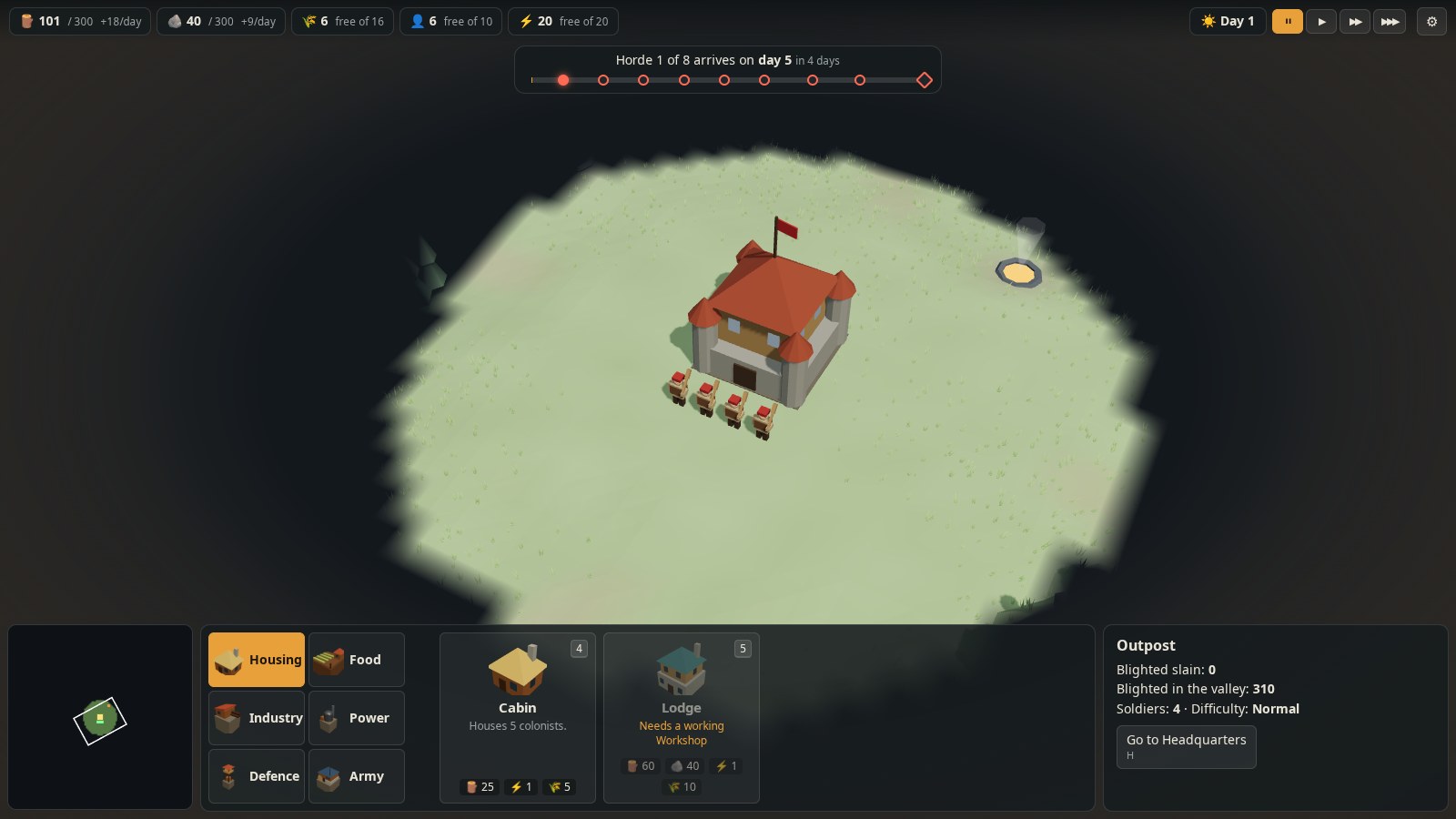
Start with a Headquarters and four soldiers.

A small clearing in the mist. Gather wood and stone, house your first colonists, and get ready: the first horde arrives on day 5.

Day 49

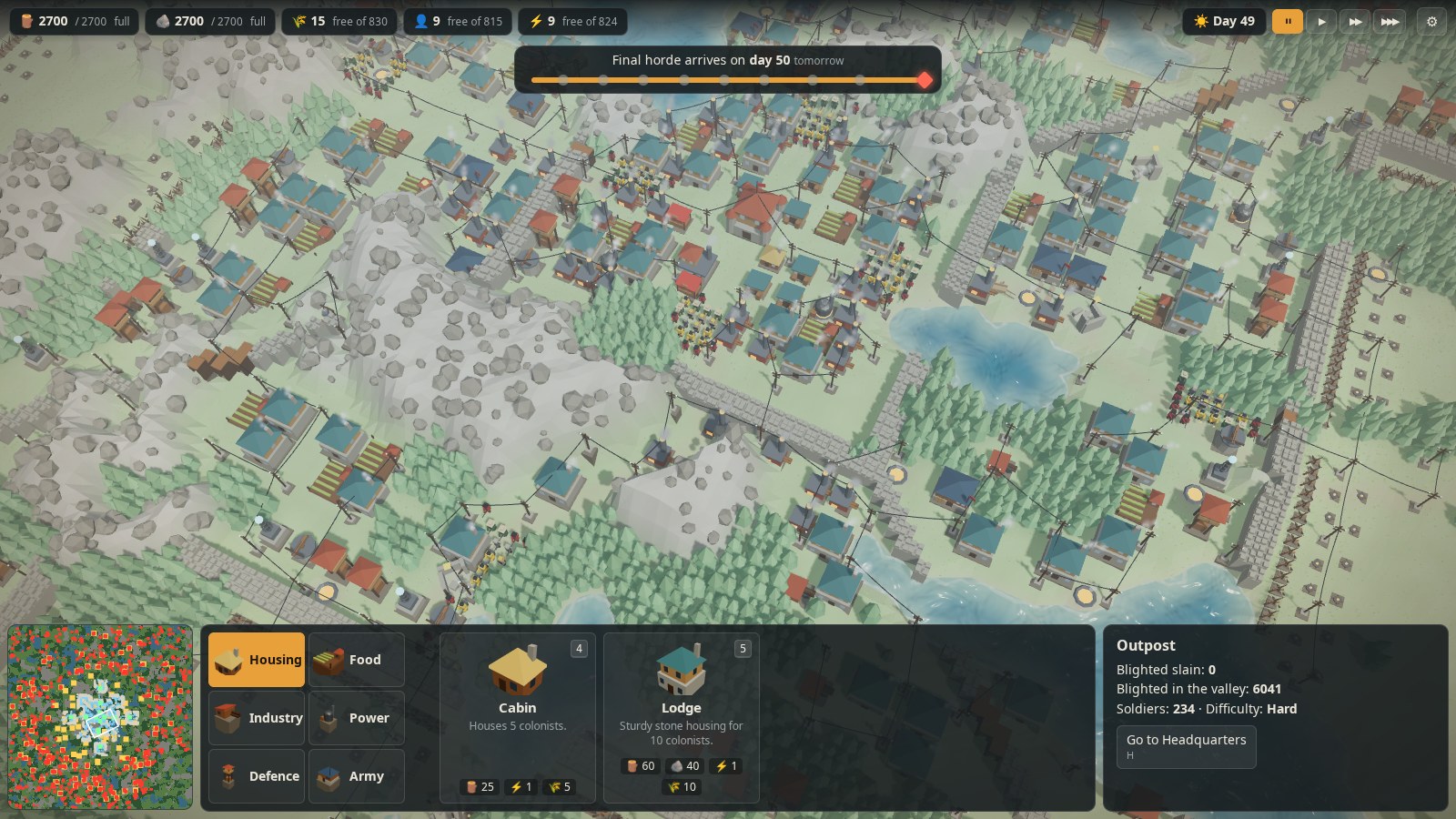
Build an outpost that can hold.

Housing, farms, industry and power, walled in and garrisoned, while thousands of the Blighted gather in the valley outside.

Day 50

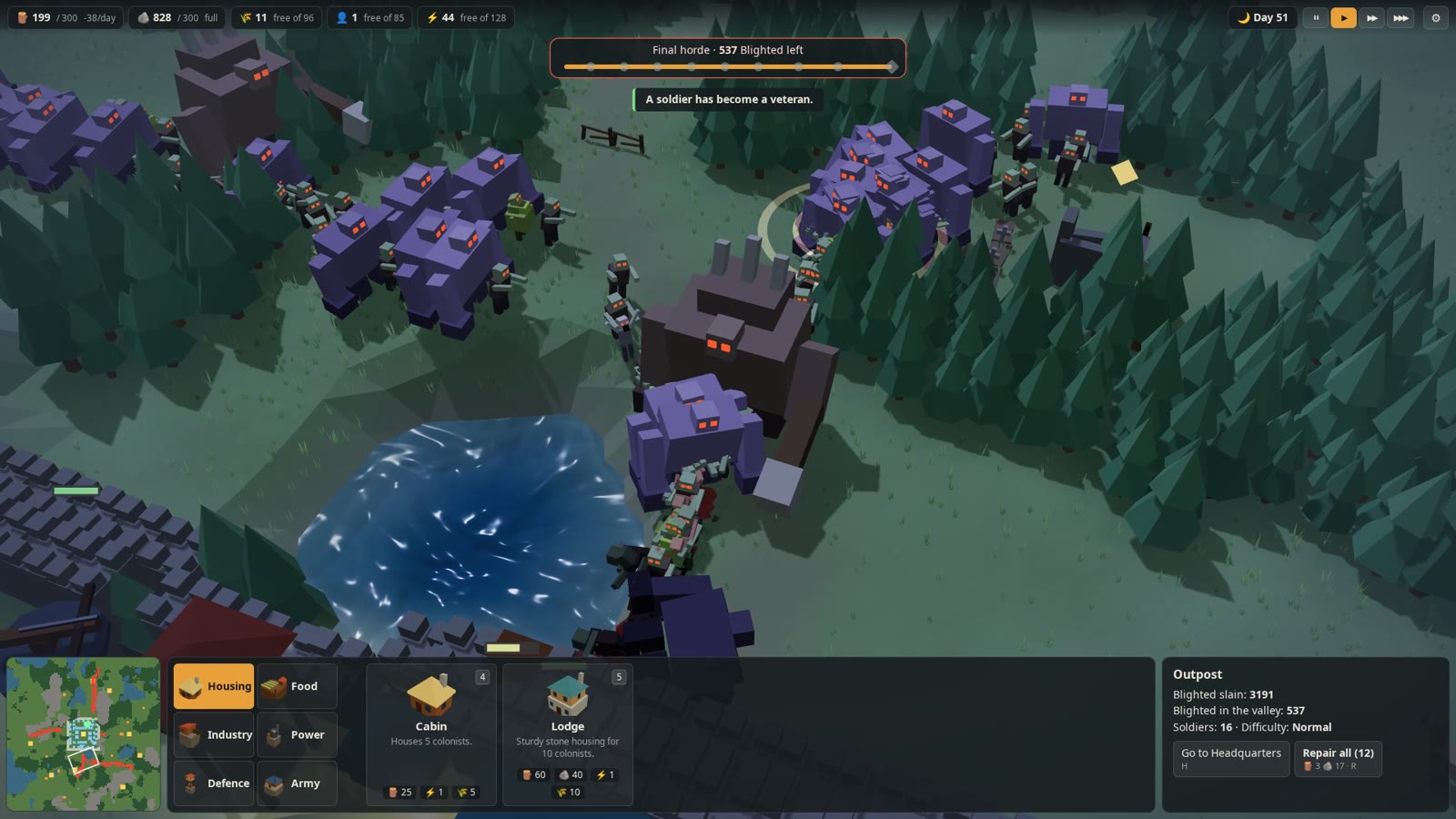
Hold against the final horde.

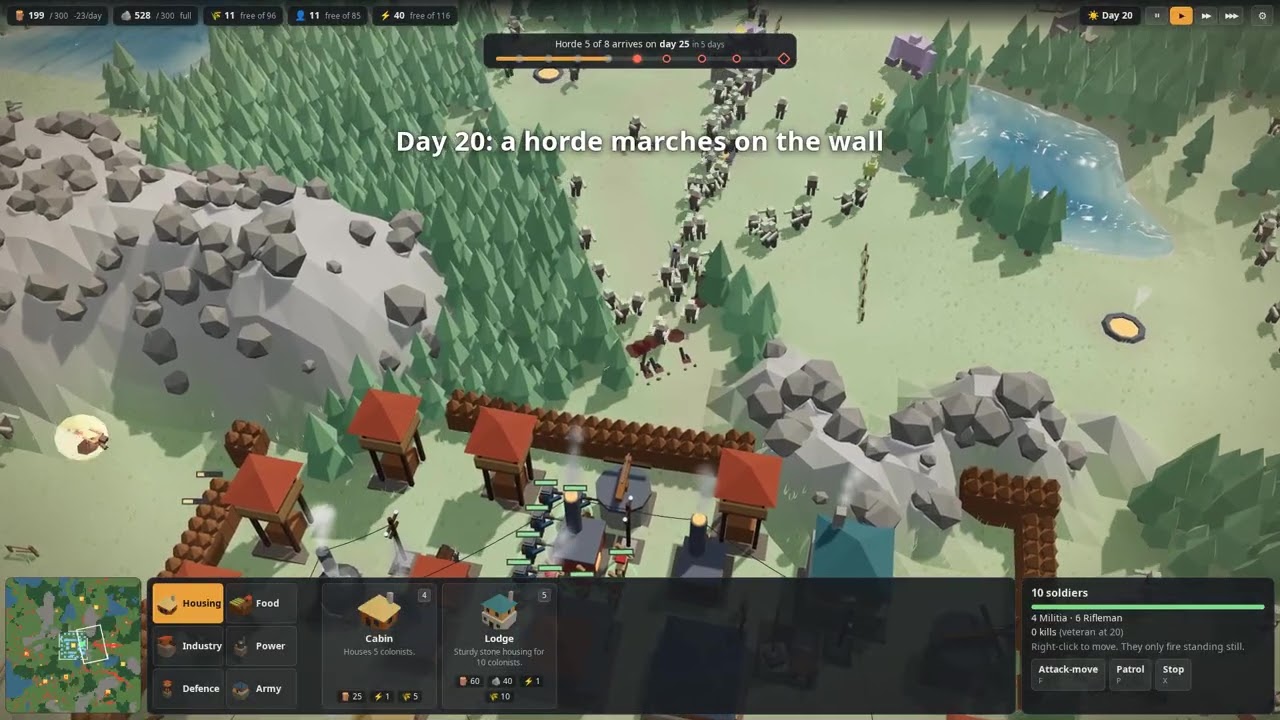
Eight hordes test the walls on the way. The last one comes from every side. Keep the Headquarters standing to win the run.

Day 1: a red-roofed Headquarters and four soldiers in a small clearing surrounded by darkness Day 49: an aerial view of a large walled outpost of houses, farms and power lines The final horde at night: large purple Blighted and smaller ones pushing through forest toward a wall

More from the labs

Other things we have built.

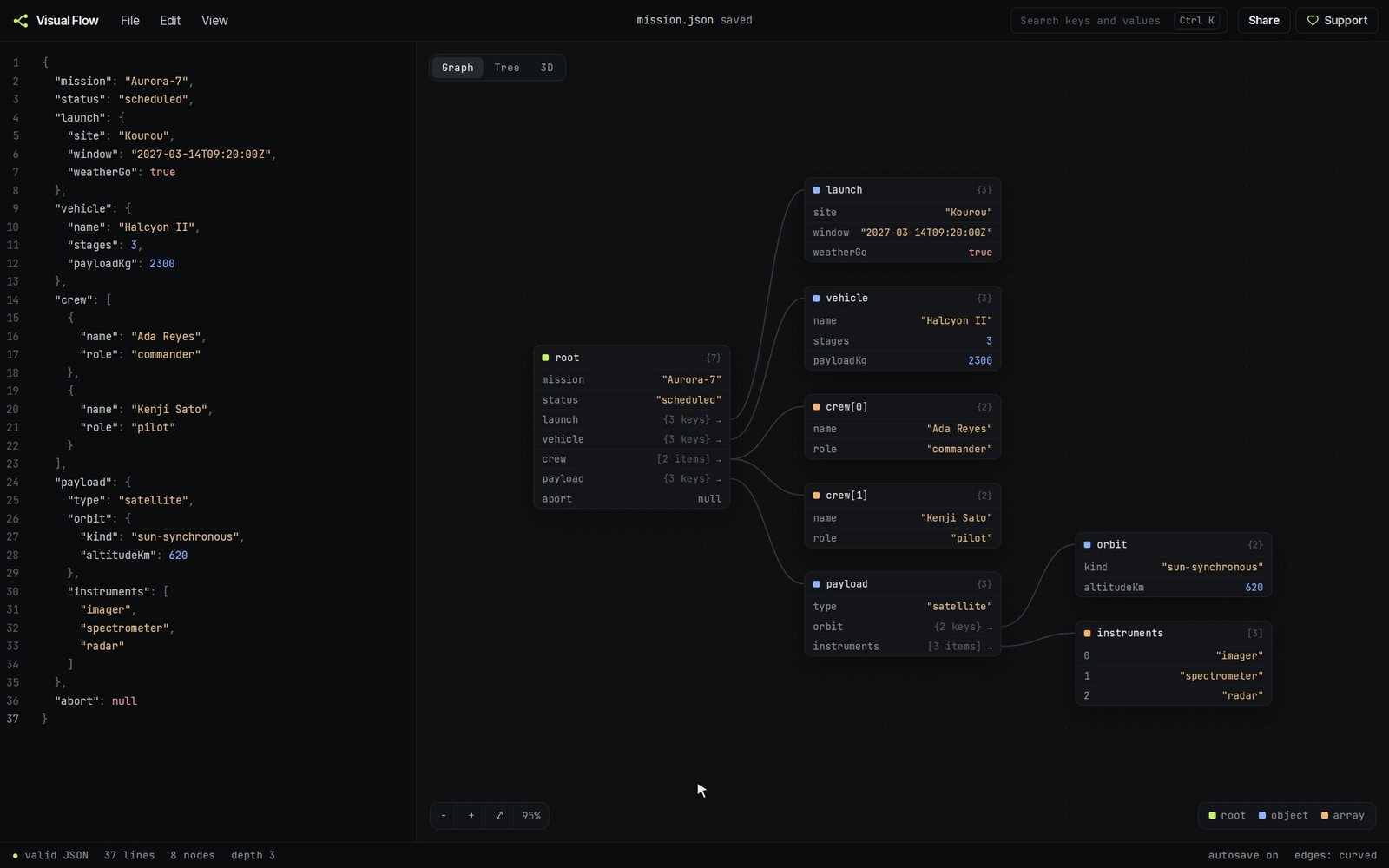
Visual Flow: a JSON file in a code editor on the left, and the same data drawn as a graph of linked cards on the right
ToolFree · open source

Visual Flow

Turn JSON into an interactive graph, a foldable tree or a 3D model. Paste a file to see how it is structured, click any node to find its lines in the code, and share a link that carries the data itself. No account, and nothing leaves your browser.
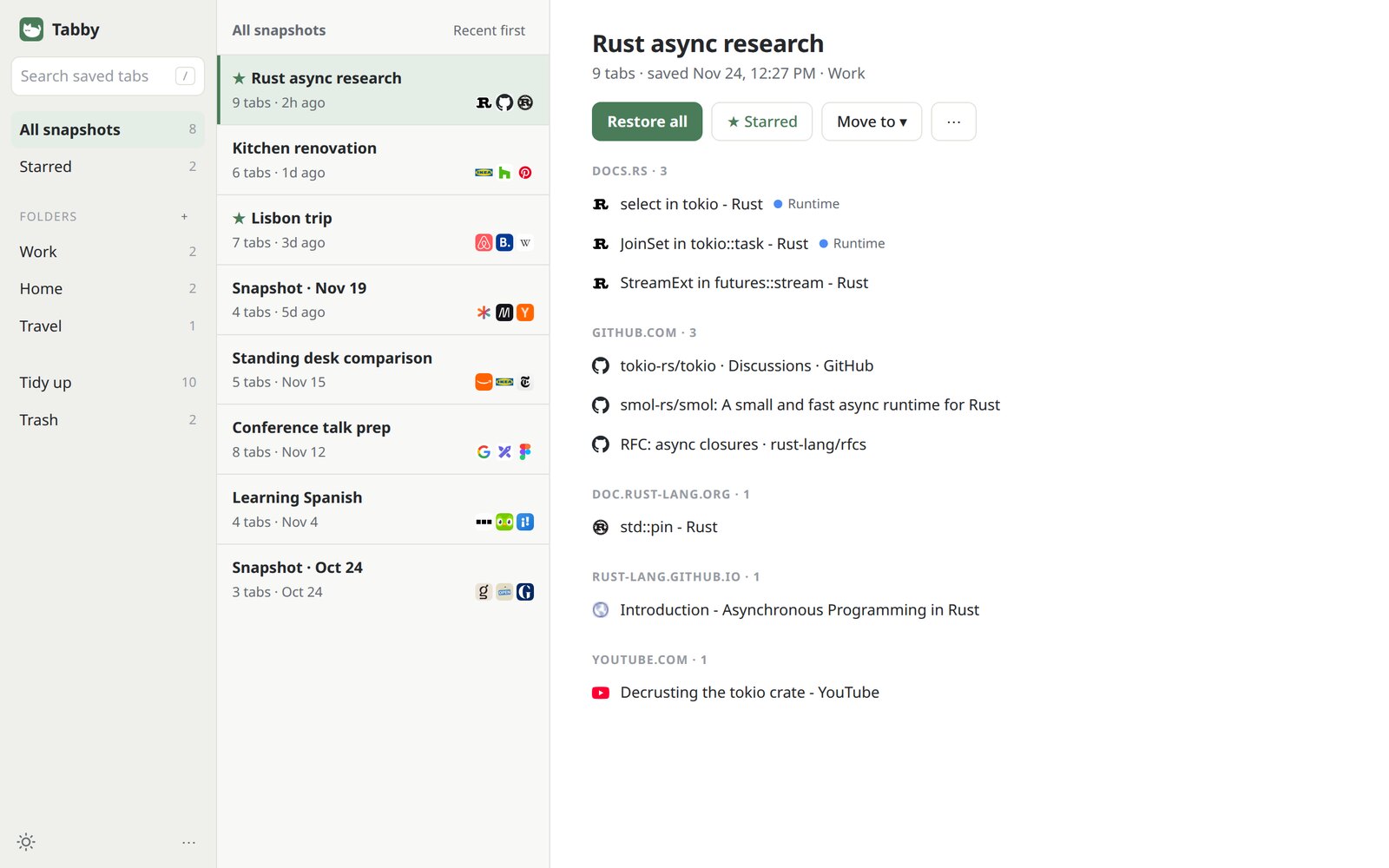
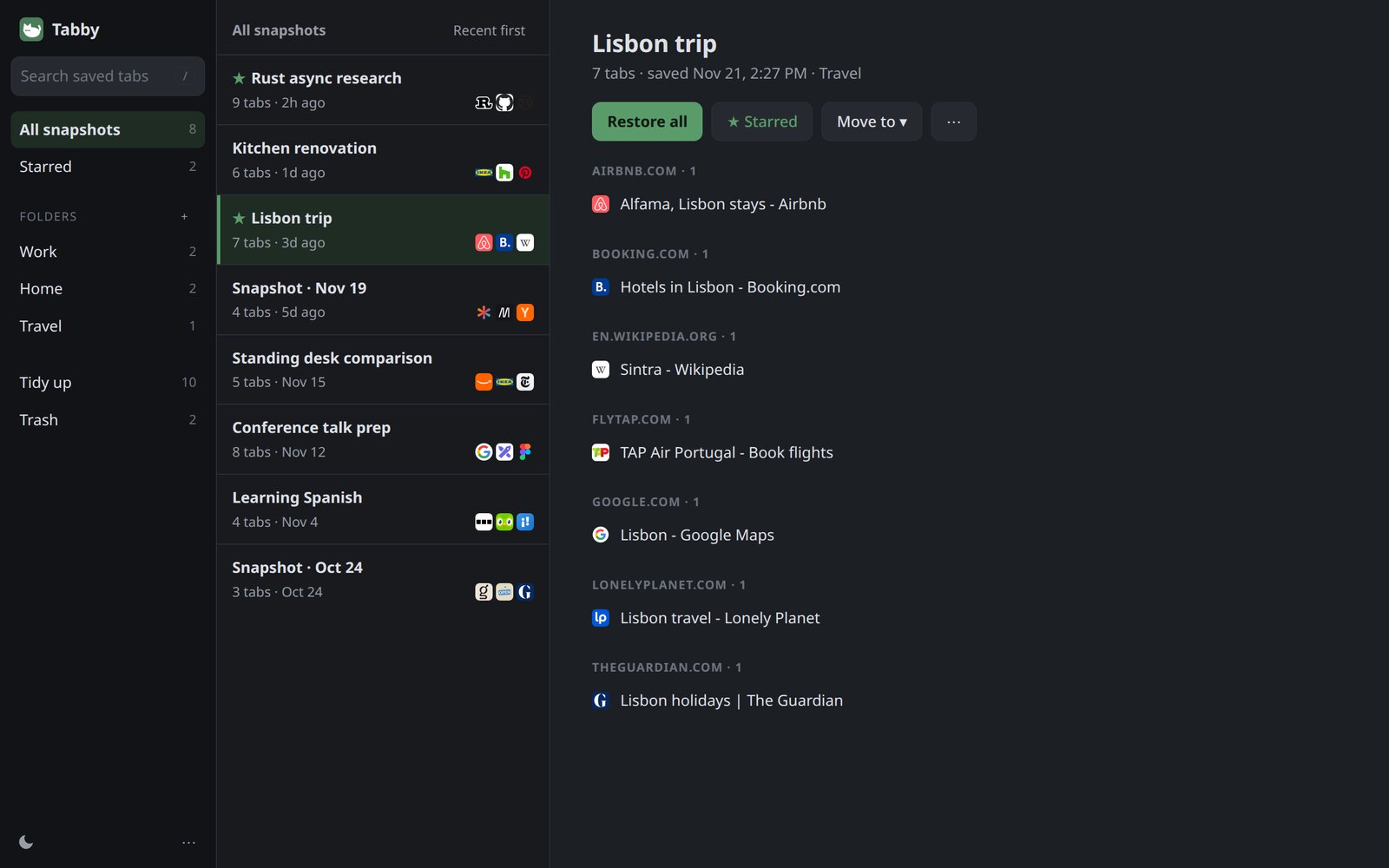
Tabby's library: folders on the left, a list of saved snapshots in the middle, and the tabs of the selected snapshot grouped by site on the right Tabby's library: folders on the left, a list of saved snapshots in the middle, and the tabs of the selected snapshot grouped by site on the right
Browser extensionFree · open source

Tabby

Save every tab in a window with one click, then close them without losing anything. Each save becomes a named snapshot you can search, file into folders and restore later, tab groups included. No account, and nothing leaves your browser.

Research system

Autonomous Quant Lab

A private lab for testing trading ideas. Each week an agent brings back research papers. We choose what to test, agents build it, and every result stays on record, whether the idea works or not.

Internal research. Not investment advice, and not open to outside capital.

Three kinds of work

What keeps the labs busy behind the projects you can see.

Systematic trading research

Rule-based trading ideas, each one tested across many markets before it is trusted. The Autonomous Quant Lab is where that happens.

Automation engineering

Python and Rust pipelines that drive real hardware and real products. We build them for our own businesses, so they have to keep working without anyone watching.

Self-hosted infrastructure

Our services run in containers on our own hardware, reachable only over a private network. We would rather run and understand a system than rent it.

Small moves add up.

The name comes from markets.

tick
The smallest move a price can make.
shift
What happens when enough of them add up.

We work the same way. Projects start small, get tested against real use, and grow one step at a time.

  • Test firstA result counts only when it holds on data the idea has never seen.
  • Ship smallA finished small tool is worth more than an unfinished big one.
  • Keep it plainFast pages, clear numbers and no features nobody asked for.

Get in touch

A question, feedback on something we built, or an idea worth talking about. Write to us.

hello@tickshift.dev